No One in a State of Agricultural Abundance Should Go Hungry
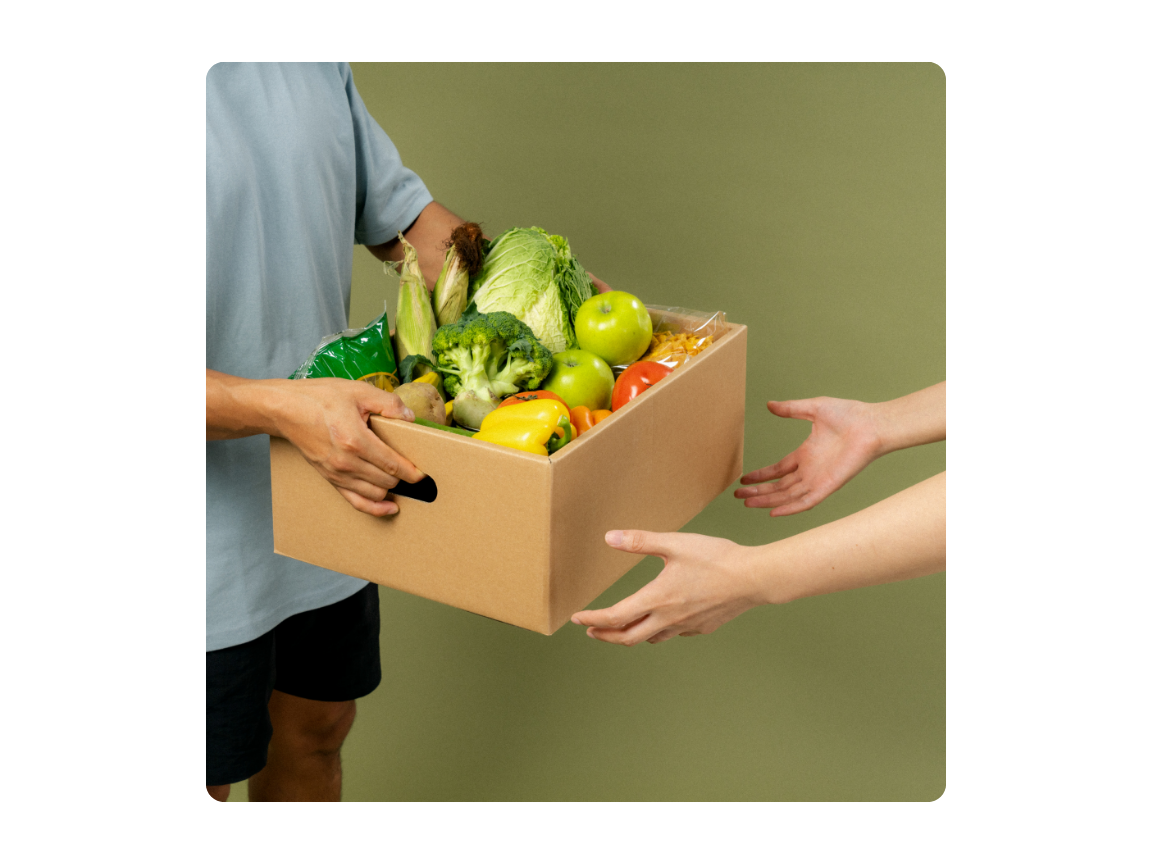 As Christians we pray for daily bread, knowing that it is a primary human need. When people are hungry, we are obviously concerned about their individual well-being. However, the consequences of hunger go far beyond the empty feeling in a person’s stomach – it affects the ability learn, work, and care for others and can cause long-term health consequences for individuals, families, and communities.
The number of Pennsylvanians experiencing food insecurity has already increased by more than 40 percent over two years. Now, surging costs of fuel and food prices, coupled with changes to the Supplemental Nutrition Assistance Program (SNAP) and other federal safety net programs, threaten to send those numbers even higher.
The Supplemental Nutrition Assistance Program (SNAP) is the nation’s largest anti-hunger and nutrition program, enrolling about 1.8 million Pennsylvanians as of January 2026. For every meal provided by the charitable food system, SNAP provides nine. If SNAP disappeared, the charitable food system would not be able to fill that gap, and Pennsylvanians would go hungry.
SNAP is one of the most effective federal programs for reducing hunger, stabilizing household finances, and supporting state and local economies. Every $1 in SNAP benefits generates up to $1.80 in regional economic activity during an economic downturn, supporting grocery stores, farmers, distributors, and rural retailers. Historically, SNAP benefits have been 100 percent federally funded and not been included in state budgets. That structure is intentional: SNAP expands during economic downturns, delivering federal dollars to communities precisely when state revenues fall.
Beginning this year, all states must pay 75 percent of SNAP administrative costs while the federal government pays 25 percent, an increase from the previous 50/50 split. The state Department of Human Services (DHS) has requested $87 million for SNAP administrative costs to fill the gap this year. Failure to fund this new cost could result in the loss of $350 million a month in federal SNAP dollars coming to Pennsylvania.
The State Food Purchase Program (SFPP) allows the state to buy food at bulk prices so more people can be fed. The PA Agricultural Surplus System (PASS) allows Pennsylvania’s farmers to efficiently donate safe, wholesome food while being reimbursed for the costs involved in production. This reduces food waste while helping both farmers and our hungry neighbors. These two programs underwrite much of the food in our community and congregational pantries.
Please encourage your state lawmakers to make critical investments in food access to strengthen families, communities, and the economy in these challenging times. Strong state support of SFPP and PASS will help ensure that food banks can help keep our congregational and community pantry shelves stocked so that no Pennsylvanian goes hungry.
- State Food Purchase Program (SFPP) - $35M
- PA Agricultural Surplus System (PASS) - $11M
- Senior Food Box Delivery (SFBD) - $1M
Remind lawmakers that it would be impossible for congregations, food banks, pantries, and other charitable organizations to fill the gap if SNAP were eliminated. DHS’s budget request of $87M for SNAP administrative costs must be met.
URGE YOUR LAWMAKERS TO SUPPORT HUNGER FUNDING
Please alert your lawmakers to the need our ministries are witnessing first-hand and urge them to act. Let them know that the church sees the needs of our neighbors.
Your letter will be most effective if you take a moment to personalize your message and the headline of your email. If you are active with a hunger ministry, we encourage you to invite your lawmakers to contact you or visit to learn more. You can read stories from some of our hunger ministries around Pennsylvania.
Resources for finding help and information about programs in your community:
Thank you for your advocacy!